Cu Chi Tunnels
Cu Chi tunnels went into the history of heroic struggle of the Vietnamese as a legend of the 20th century and became famous in the world.
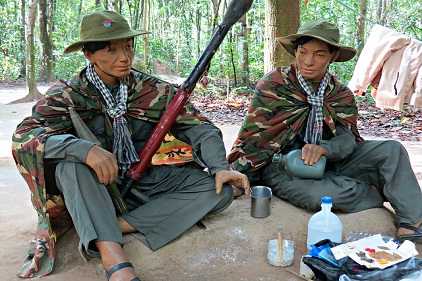
Cu Chi tunnel is a unique and incomparable wonder with 250km tunnel spreading like cobwebs underground with the completion of works associated with the tunnels such as trenched, docks, fighting places, tunnels for eating, sleeping, meeting, activities, military, food storage, water wells, Hoang Cam stoves...
The tunnels were used by Viet Cong guerrillas as hiding spots during combat, as well as serving as communication and supply routes, hospitals, food and weapon caches and living quarters for numerous guerrilla fighters. The tunnel systems were of great importance to the Viet Cong in their resistance to American forces, and helped achieve ultimate military success.
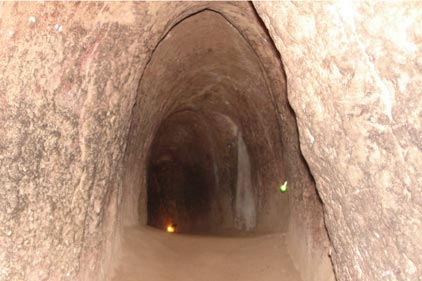
In Cu Chi, the earliest tunnel appeared in 1848 in two communes of Tan Phu Trung and Phuoc Vinh An. At first, there were only short and simple structured sections, used to conceal documents, weapons, hiding soldier’s operating in enemy territory. Later, it spread to the communes. From 1961 to 1965, the guerrilla war of the people in Cu Chi had grown rapidly, causing huge losses to the enemy, contributing to defect the strategic “Special war” of the American. Six communes in the north of Cu Chi had completed the ‘backbone’ tunnel. Then, the agencies and units developed branch tunnels connecting with the ‘backbone’, an interconnected tunnel system.
See more
-
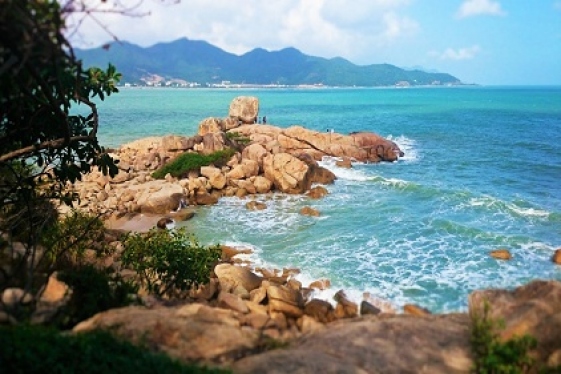
Hon Chong Promontory
Hon Chong Promontory is one of the most famous attractions in Nha Trang with the perfect combiantion between rocky mountain and beautiful beach. Coming to Hon Chong...
-
.jpg)
Hanoi Flag Tower
Hanoi Flag Tower at the age of nearly 200 years is renowned as one of the symbols of Hanoi. The construction began in 1805 and completed in 1812, the 11th year of Gia Long...
-
.jpg)
Ngoc Vung Island
Ngoc Vung Island is a romantic place which possesses primitively beautiful landscapes with freshest and most delicious seafood of the bay at the lowest price.
-
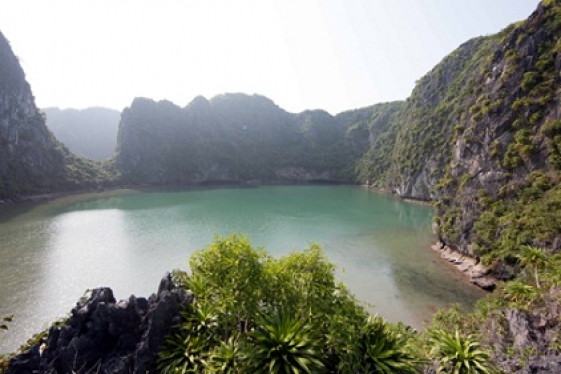
Dau Be Island
Located in the southeast of Ha Long Bay, Dau Be Island is 500 m to the east of Hang Trai Island, 28km from Bai Chay Cruise Port, in an archipelago located in the bay outside...
-
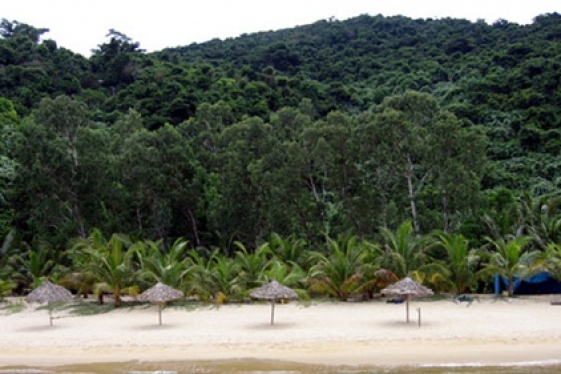
Cong Tay Island
Cong Tay Island is located in Bai Tu Long Bay, part of the tour around Ngoc Vung Island in Quan Lan, about 40km off Bai Chay Cruise Port. Ships and cruises normally run from...
-

Cai Rang Floating Market
Cai Rang floating market is one of three largest floating market in Can Tho . The unique feature of Cai Rang floating market is selling all kind of fruits that are...
-

Ta Phin Village
Ta Phin village is famous as an attractive ecotourism of Lao Cai province and shoul not be missed when traveling to Sapa . Ta Phin village is home to...
-
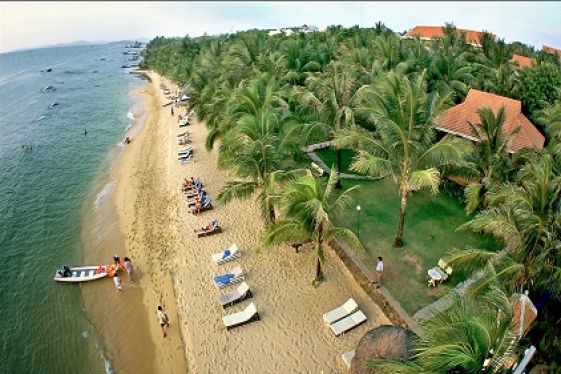
Back beach (Bai Sau)
Back beach in Vung Tau is also known as Thuy Van beach, has a charming landscape, large space, with a wide spread out and fine sand. So the major of tourists traveling to...
-
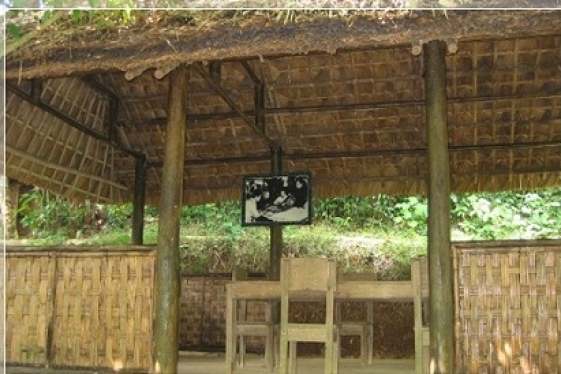
The historical relic - ATK
The most famous historical relic in Bac Kan is ATK, the complex of underground tunnels and rooms emboldened by a missile defense system in Cho Don (Bac Kan).
-
.jpg)
Minh Chau Beach
Minh Chau Beach is a private beach located on Quan Lan Island, Quang Ninh Province, which is only 15 kilometers away from Quan Lan Beach. For those who want a long journey, a...
Destinations
Most popular tours
-
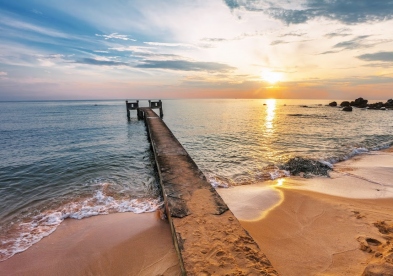
Central Coast Vietnam
Price from: 2.014 US$
-

Soft Through Vietnam
Price from: 440 US$
-

Red River Boat Trip to Countryside of Hanoi
Price from: 33 US$
-
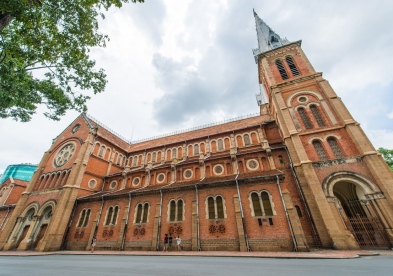
Ho Chi Minh City Tour Full Day
Price from: 35 US$
Business info
Vietnam Local Guide
- Address: 18th Floor, VTC Online Tower, 18 Tam Trinh Str.,Hai Ba Trung Dist., Hanoi, Vietnam
- Email: info@vietnamguider.com
- Phone: (+84) 0904989890
- Hotline: (+84) 0904989890