Central Post Office in Ho Chi Minh City
The Central Post Office in Ho Chi Minh is a beautifully preserved remnant of French colonial times and perhaps the grandest post office in all of Southeast Asia. Located next door to Notre Dame Cathedral, the two cultural sites can be visited together and offers visitors a chance to imagine life in Vietnam during the times of the Indochinese Empire. The building was designed by Gustave Eiffel – the renowned engineer who also designed the Statue of Liberty and the Eiffel Tower – and features arched windows and wooden shutters, just as it would have in its heyday in the late 19th Century.
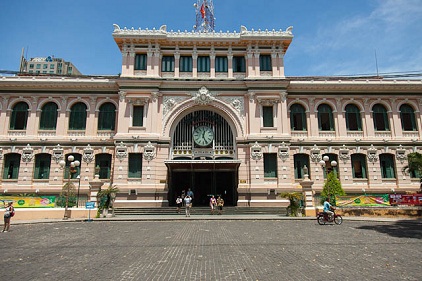
The Central Post Office in Ho Chi Minh was constructed between 1886 and 1891 and once inside, the looping arches, intricately designed marble floors and antiquated telephone boxes all serve as a reminder of the importance the post office played in days before email and mobile phones. Although the architecture is distinctly French, the large portrait of Ho Chi Minh hanging high above everyone at the far end of the building reminds everyone we are definitely in Vietnam. Painted onto walls overhead are two maps of the region; one of them showing the telegraph lines that crisscross Vietnam and Cambodia and the other displaying a map of the Saigon region in 1892.
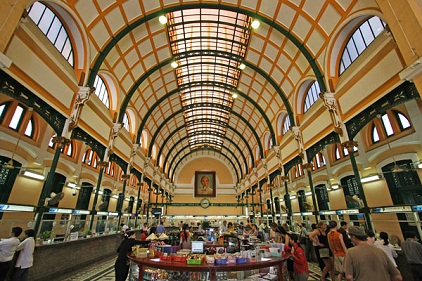
Although the experience is a fascinating glimpse into history, the fact that this is still a functioning post office makes the experience even sweeter, and we encourage everyone to send a letter or postcard from here – it’s a piece of living history where even the old fashioned glue pots are still in use for sticking stamps to letters. There are two wings branching out from the main office, selling souvenirs, postcards and lacquerware but the prices are inflated and the same products can probably be found elsewhere for a better price.
Central Post Office
Opening Hours: 7am to 8pm
Location: 2 Công xã Paris, District 1
See more
-
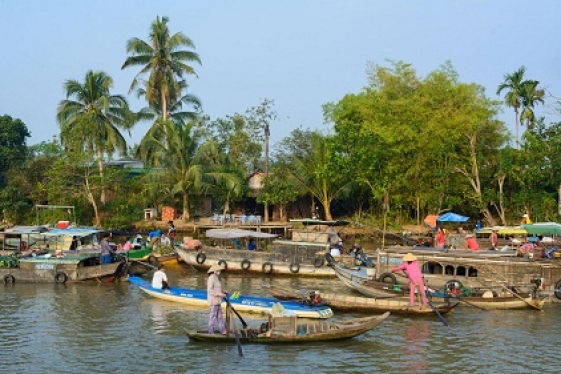
Phong Dien Floating Market
Phong Dien floating market is not only a palce for selling and exchanging products but also a popular attraction in Can Tho . Phong Dien floating market has many different...
-
.jpg)
Minh Chau Beach
Minh Chau Beach is a private beach located on Quan Lan Island, Quang Ninh Province, which is only 15 kilometers away from Quan Lan Beach. For those who want a long journey, a...
-
.jpg)
Bach Thao Park
Bach Thao means “hundreds of plants” and like its name, the park is one of the few green areas in the increasingly industrialized city of Hanoi. Bach Thao Park or...
-
.jpg)
Fujian Assembly Hall in Hoi An
The photogenic Fujian (Phuc Kien) assembly hall was created as a place in which residents from Fujian in China could meet up and socialise whilst living or visiting Hoi An....
-
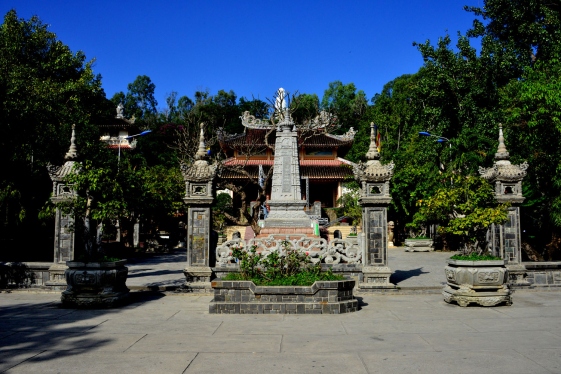
Long Son Pagoda
Long Son Pagoda, also well known as White Buddha Temple (Behind the pagoda is a huge white Buddha seated on a lotus blossom) is one of the most beautiful pagoda with an...
-
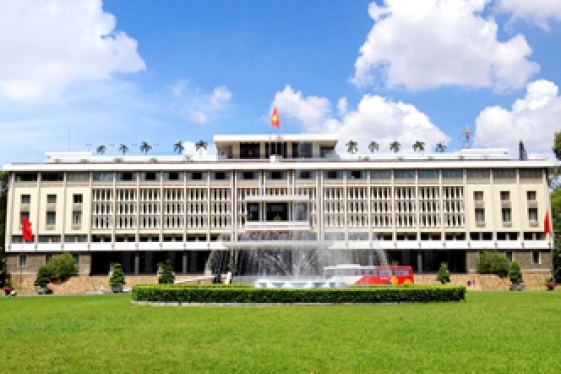
Reunification Palace
Reunification Palace is (known as Independence Palace) the famous historical witness which passed through the two fierce wars against the French and American...
-
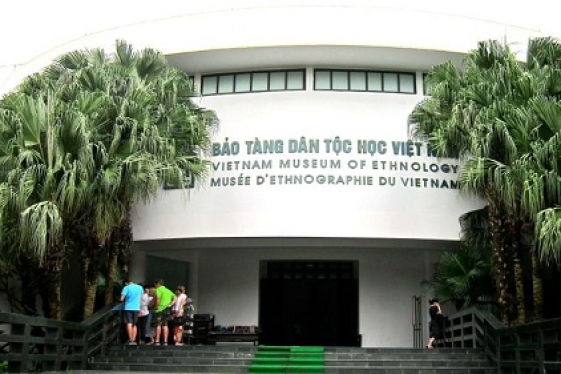
Vietnam Museum of Ethnology
This is the most recent yet probably the largest and undoubtedly the most interesting Museums in Hanoi and Vietnam.
-
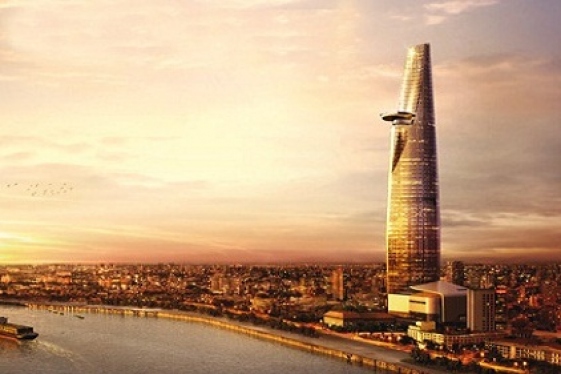
Bitexco Financial Tower in Ho Chi Minh
Ho Chi Minh City’s Bitexco Financial Tower stands 262 metres high at the centre of the city’s business district and offers visitors an unparalleled city view from...
-
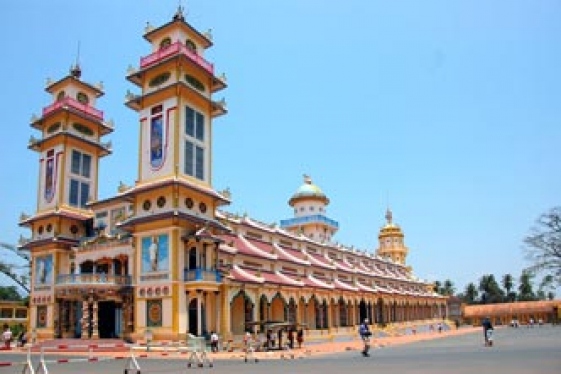
Cao Dai Temple
Cao Dai Temple is one of the contribution of Vietnam to the world has been the religion Caodaista, religion that takes concepts from Buddhism, Christianitu, Hinduism, etc....
-
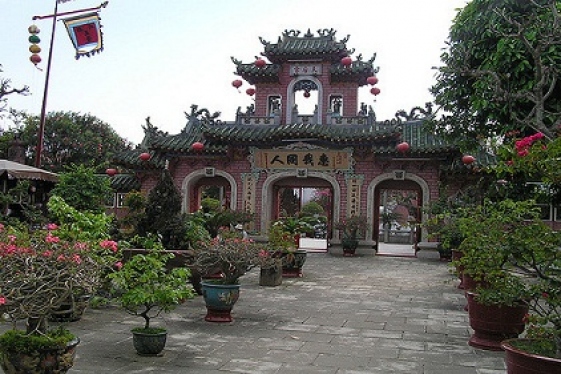
Chuc Thanh Pagoda
Chuc Thanh Pagoda was founded by Monk Minh Hai of Chine in 1454, making it the oldest Buddhist pagoda in Hoi An. Featuring a mix of Vietnamese and Chinese architectural...
Destinations
Most popular tours
-
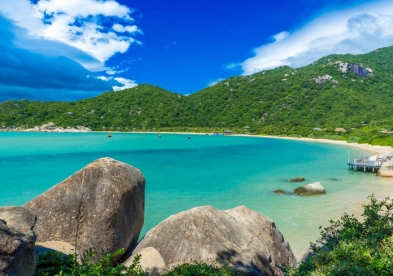
South Vietnam Hideaway
Price from: 1.710 US$
-
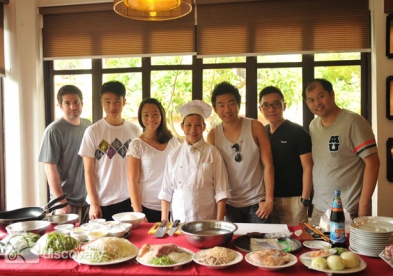
Cooking Experience in Hanoi
Price from: 36 US$
-
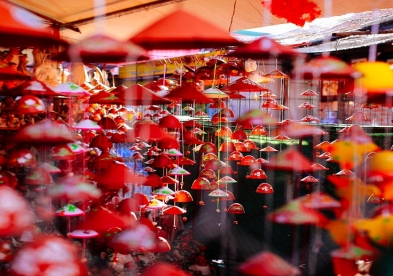
Visit Bat Trang & Le Mat Traditional Village
Price from: 25 US$
-
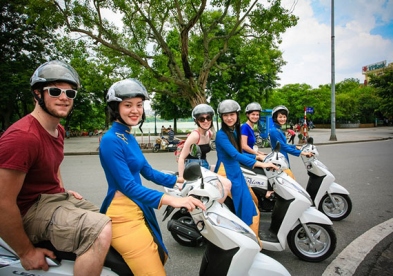
Hanoi By Night (by Motorbike)
Price from: 26 US$
Business info
Vietnam Local Guide
- Address: 18th Floor, VTC Online Tower, 18 Tam Trinh Str.,Hai Ba Trung Dist., Hanoi, Vietnam
- Email: info@vietnamguider.com
- Phone: (+84) 0904989890
- Hotline: (+84) 0904989890