Con Dao National Park
Con Dao is a tourist island and is ranked one of 10 mysterious islands in the world by Lonely Planet. Besides, Con Dao National Park is the 6th Ramsar in the world, and the first one in Vietnam. Therefore, Con Dao is considered as a heaven of rest and exploring nature with both forest and sea.
Located in the offshore area of Vung Tau, in the Southeast Vietnam, Con Dao Island possesses a national park with a diverse ecological system.
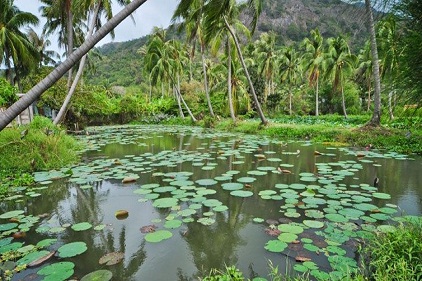
The total area of Con Dao national park is 15,043 ha, including 6,043 ha in the island part and 9,000 ha in the sea. The park covers fourteen of the sixteen islands and the forest cover on the island is dense: a sizable proportion is in pristine condition, particularly the humid hill forest growing above 500m above sea level.
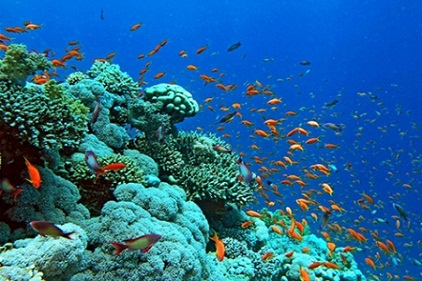
The featuring flora and fauna system of Con Dao National Park consists of marine creatures, especially coral reefs and sea turtles. In 2006, a UNESCO mission to Vietnam came, surveyed and appreciated the biodiversity of natural system in this national park. The park was said to be eligible for submission to UNESCO to be recognized as a natural and cultural heritage.
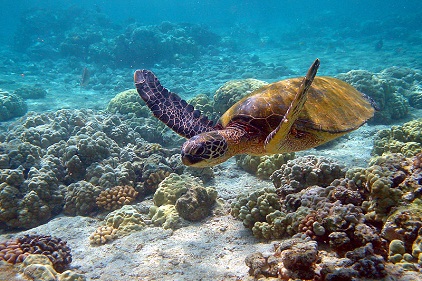
Con Dao National Park is home to 882 species of floral species, 135 species of animals, and more than 1,300 species of marine creatures. The ecosystems on Con Dao are favourable habitats for rare species such as the Hawksbill, Green Turtles & Dugong, the strange creatures popularly known as ‘sea cows’ and believed to be the source of the ‘mermaid’ legends from their habit of sunbathing on rocks.
Moreover, it is an ideal place for ecological tourism and scientific researches. Thanks to this ecological diversification, many beautiful and second-to-none landscapes and seascapes in this island are created.
See more
-
Cat Cat Village
Cat Cat village is one of the most famous destination of not only domestic travellers but also foreign ones. It is located on on the Muong Hoa Valley and...
-
.jpg)
Minh Mang tomb
Minh Mang Tomb is in Huong Tho Commune, Huong Tra District, on the west bank of Perfume River and about 12km south of Hue City center. This place is where 2 tributaries join...
-

Vietnam Fine Arts Museum
Just across the street from the Temple of Literature, Vietnam Fine Arts Museum can be found spotted easily from afar.
-
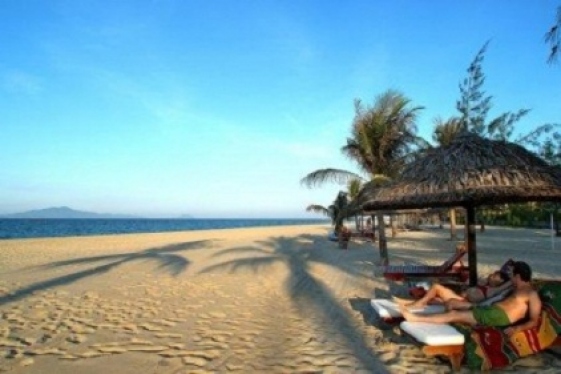
An Bang Beach
An Bang Beach is one of the few stretches of beach in Hoi An that’s relatively unspoiled by development, making it a popular option for soaking up the sun and enjoying...
-
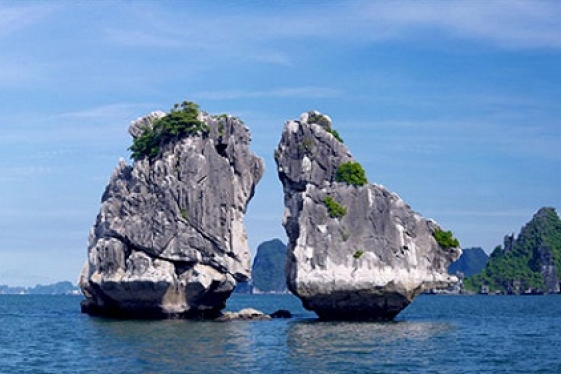
Kissing Rocks
With thousands of islets of different shapes and sizes on its surface, there are countless stories about them in Halong Bay. Among those beautiful islets, there are two most...
-
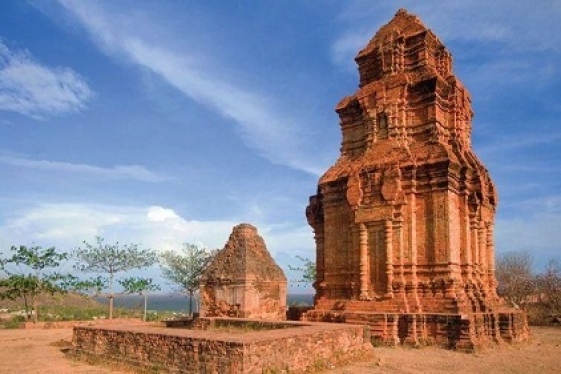
Po Sha Nu Tower
Po Sha Nu Tower is an ancient relic that was built in the late 8 th century and early 9 th century at Cham Kingdom. This tower has a sophistication and unique architecture...
-
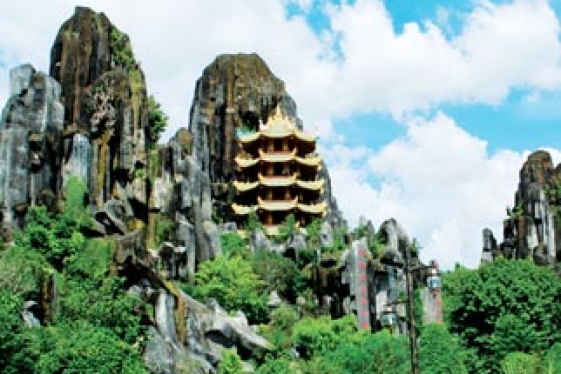
Marble Mountain
Marble Mountains, located a short distance from the City centre, are familiar to everyone who has been to Danang City and are a symbol of the area. The ambience of pagodas,...
-
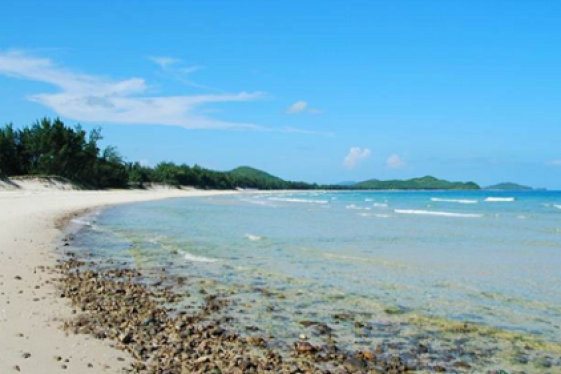
Quan Lan Island
Quan Lan Island is located within the area of Bai Tu Long Bay, stretching on a total area of 11 square kilometers, from Van Don mountains to Giot Mountain.
-
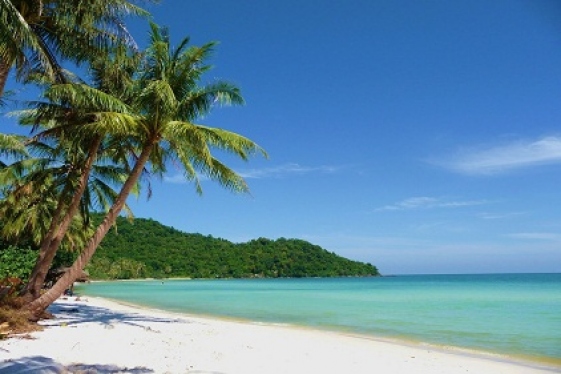
Star beach - the most beautiful beach in Phu Quoc
Star beach is one of the most beautiful beaches in Phu Quoc with a wild beauty, white sand with stretches, clear blue sea all year around. It a great place to relax in...
-
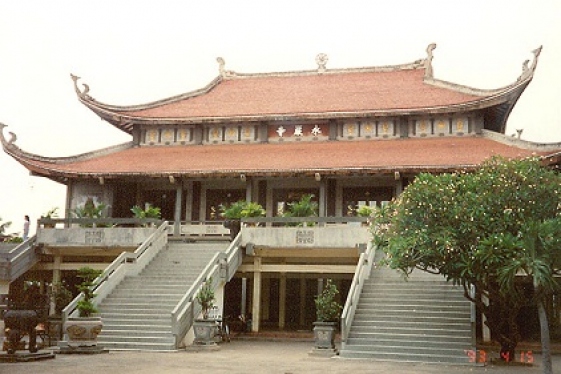
Giac Lam Pagoda
Giac Lam Pagoda, built in 1744, is the oldest Buddhist temple in Ho Chi Minh City and as such was listed as an important historical site by the Vietnamese Department of...
Destinations
Most popular tours
-
Experience Hanoi After Dark
Price from: 28 US$
-
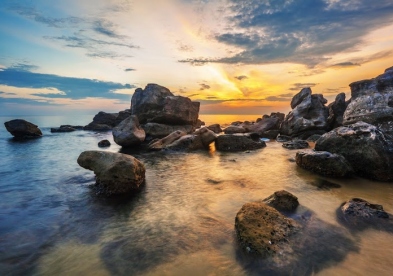
Mui Ne Beach Break
Price from: 360 US$
-
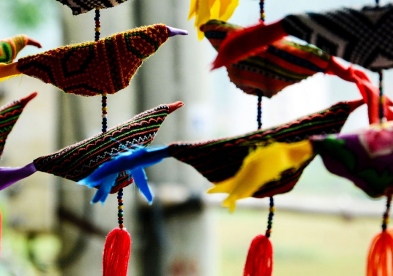
Mai Chau Adventure
Price from: 297 US$
-
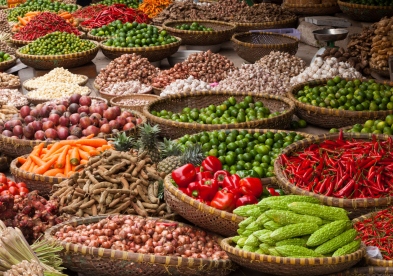
Home Cooking Class
Price from: 33 US$
Business info
Vietnam Local Guide
- Address: 18th Floor, VTC Online Tower, 18 Tam Trinh Str.,Hai Ba Trung Dist., Hanoi, Vietnam
- Email: info@vietnamguider.com
- Phone: (+84) 0904989890
- Hotline: (+84) 0904989890