Van Phuc Silk Village
Situated on the bank of Nhue River, about 10km southwest of Hanoi Old Quarter, Van Phuc silk village is renowned for its traditional weaving and premium quality silk products.
.jpg)
t the age of more than 1,200 years, Van Phuc is proud to be the most ancient silk village which provides the best silk in Vietnam. Visitors to Van Phuc village will be impressed by typical manner of an ancient village in the north of Vietnam with banyan tree, well, communal house, and the sound of power-looms everywhere. Walking on the main road in Van Phuc, tourists will be lost in the world of silk with various products like shirts, ties, crafts, dresses… made of silk available in the village.
For a long period of time, silk was considered as extremely precious handwork which was only used to tailor Royal members' and aristocrats’ dress. The special beauty of Van Phuc or Ha Dong silk was inspiration for many Vietnamese poems, songs and movies (see The White Silk Dress, one of the 5 most outstanding Vietnamese movies).
In Nguyen dynasty time, Van Phuc silk was brought to Hue imperial citadel to make dress for royal members. Between 1931 and 1932, Van Phuc silk was on display in international exhibitions for the first time in Marseille, then Paris and was highly appreciated and preferred by the French. From 1958 to 1988, Van Phuc silk mostly was exported to Eastern European market, and since 1990, it has been known widely in many countries all over the world.
.jpg)
Van Phuc silk has been known for its smooth, light weight, and elegant appearance. Especially, a traditional kind of silk called Van Silk made in Van Phuc make the wearers feel cool in summer and warm in winter. Today, to satisfy various demand for silk of the market, Van Phuc silk producers have expanded their silk and garment goods like embroidered silk, , wrinkled silk, double layers and more colors for silk products.
Many families in Van Phuc open their own shops on the main road of the village; create a “town of silk” that sell eye-catching and high quality silk products. Tourists may buy available nice souvenir and clothes in the shop, or select the most suitable materials to then get customized products. The sellers are very friendly and can speak a little English and French to communicate to foreign tourists.
Nowadays, although the weaving has been mechanized for higher productivity, there are still simple manual looms in some houses in the village which help tourists contemplate the genuinely traditional Vietnamese way of making silk.
How to get there
Tourists can join a tour to Van Phuc village available in travel agencies, or visit Van Phuc on their owns by car, motorbike, or catch the local bus 02, 21 then walk 500m to reach the village.
Tourists should travel south west out of Hanoi center on Nguyen Trai road until reach the border of Ha Dong district, then turn right and drive about 3km to reach the village.
See more
-
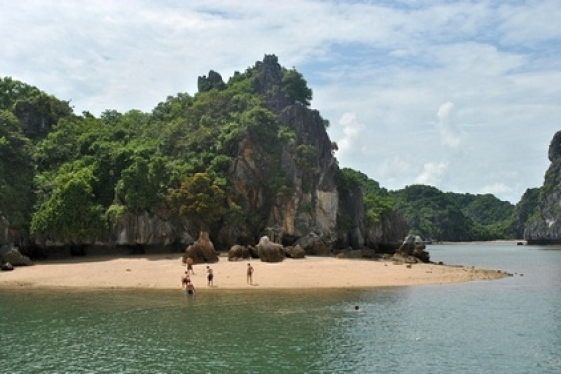
Lan Ha Bay
Located adjacent to Halong Bay, Lan Ha Bay is a peaceful bay in Cat Ba Islands system. Lan Ha Bay has about 400 large and small islands covered with green trees and...
-
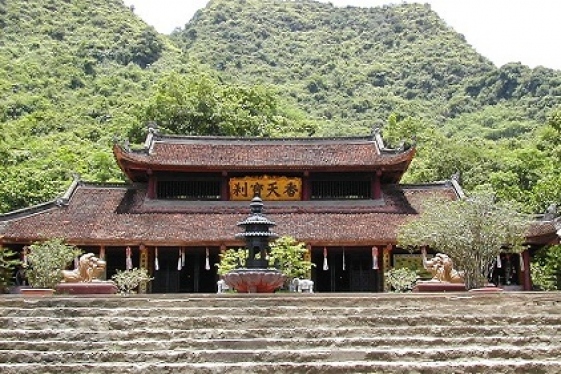
The perfume Pagoda
The Perfume Pagoda (Chùa Hương) is a vast complex of Buddhist temples and shrines built into the limestone Huong Tich Mountains.
-
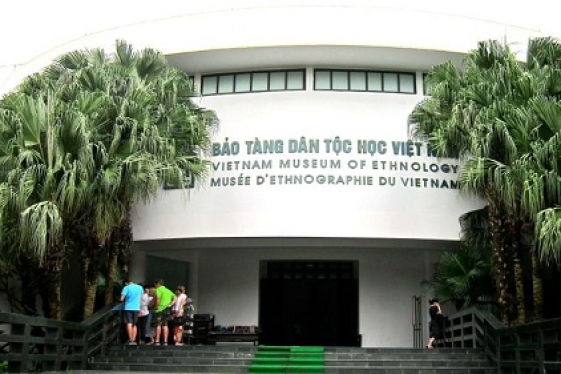
Vietnam Museum of Ethnology
This is the most recent yet probably the largest and undoubtedly the most interesting Museums in Hanoi and Vietnam.
-
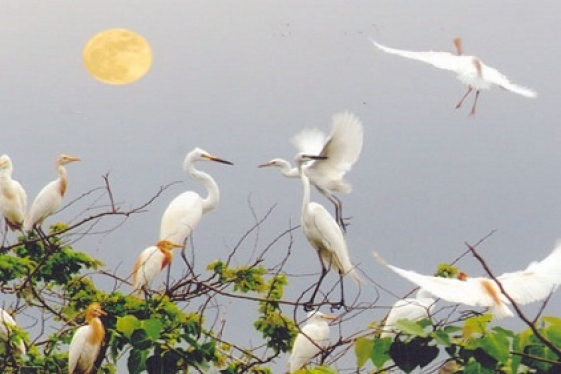
Bac Lieu Sanctuary
Bac Lieu bird sanctuary is one of the most attractive eco-tourism in Mekong Delta and Bac Lieu province . Bac Lieu bird garden always makes visitors surprised by the...
-
.jpg)
Co To Island
Co To Island/Beach in Quang Ninh Province is probably the most beautiful and romantic beach of Vietnam with transparent blue sea, white smooth sand, golden sunshine, and green...
-
The Japanese covered bridge
The Japanese Covered Bridge or Cau Chua Pagoda (in Vietnamese “Cau Nhat Ban”) is one of the most famous tourist attractions in Hoi An, Vietnam.
-
War Remnants Museum
The War Remnants Museum once known as the ‘Museum of American War Crimes’ first opened to the public in 1975.
-
.jpg)
Tuan Chau Island
Tuan Chau Island is a newly established tourism center of Ha Long City, which is only 8 kilometers away from downtown Ha Long. The whole area of this island is about 2.2...
-
.jpg)
Hanoi Flag Tower
Hanoi Flag Tower at the age of nearly 200 years is renowned as one of the symbols of Hanoi. The construction began in 1805 and completed in 1812, the 11th year of Gia Long...
-

Han River Bridge
Han River Bridge is a symbol for new vitality and the developing desire of Danang and crossing the romantic Han River in Da Nang . Each year, Han River Bridge attracts ,many...
Destinations
Most popular tours
-

Bac Ha Trekking Tour
Price from: 290 US$
-
Ha Long Bay (Day Tour)
Price from: Contact
-
Cuc Phuong National Park
Price from: 30 US$
-
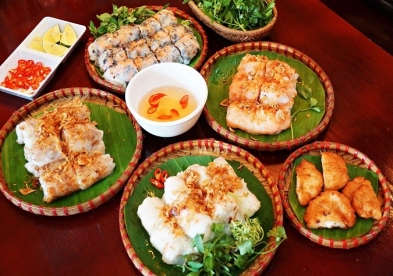
Hanoi Street Food Taste
Price from: 20 US$
Business info
Vietnam Local Guide
- Address: 18th Floor, VTC Online Tower, 18 Tam Trinh Str.,Hai Ba Trung Dist., Hanoi, Vietnam
- Email: info@vietnamguider.com
- Phone: (+84) 0904989890
- Hotline: (+84) 0904989890