Central Post Office in Ho Chi Minh City
The Central Post Office in Ho Chi Minh is a beautifully preserved remnant of French colonial times and perhaps the grandest post office in all of Southeast Asia. Located next door to Notre Dame Cathedral, the two cultural sites can be visited together and offers visitors a chance to imagine life in Vietnam during the times of the Indochinese Empire. The building was designed by Gustave Eiffel – the renowned engineer who also designed the Statue of Liberty and the Eiffel Tower – and features arched windows and wooden shutters, just as it would have in its heyday in the late 19th Century.
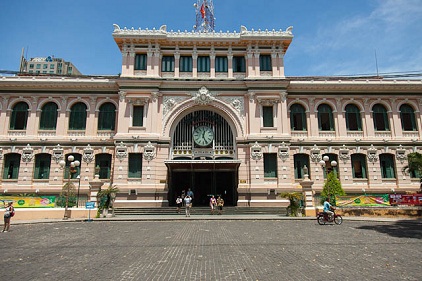
The Central Post Office in Ho Chi Minh was constructed between 1886 and 1891 and once inside, the looping arches, intricately designed marble floors and antiquated telephone boxes all serve as a reminder of the importance the post office played in days before email and mobile phones. Although the architecture is distinctly French, the large portrait of Ho Chi Minh hanging high above everyone at the far end of the building reminds everyone we are definitely in Vietnam. Painted onto walls overhead are two maps of the region; one of them showing the telegraph lines that crisscross Vietnam and Cambodia and the other displaying a map of the Saigon region in 1892.
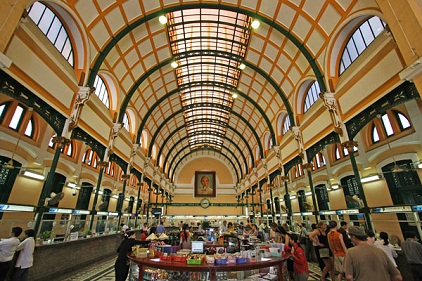
Although the experience is a fascinating glimpse into history, the fact that this is still a functioning post office makes the experience even sweeter, and we encourage everyone to send a letter or postcard from here – it’s a piece of living history where even the old fashioned glue pots are still in use for sticking stamps to letters. There are two wings branching out from the main office, selling souvenirs, postcards and lacquerware but the prices are inflated and the same products can probably be found elsewhere for a better price.
Central Post Office
Opening Hours: 7am to 8pm
Location: 2 Công xã Paris, District 1
See more
-
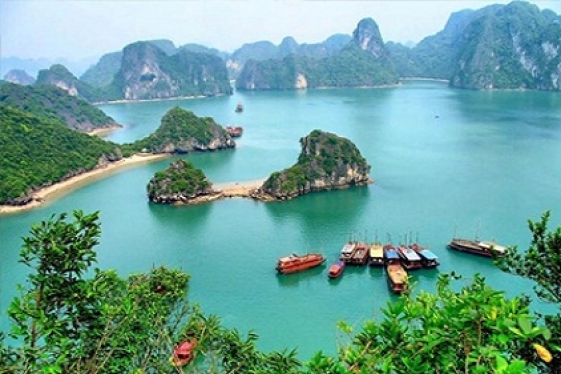
Bo Hon Island
When it comes to beautiful islands in Halong Bay, Bo Hon Island is definitely worth mentioning. The island has not only beautiful landscapes but also has one of the largest...
-
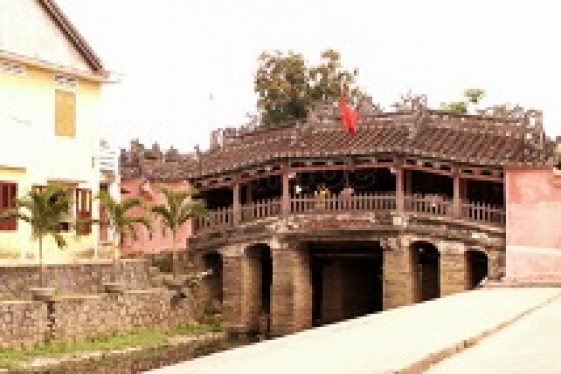
The Japanese covered bridge
The Japanese Covered Bridge or Cau Chua Pagoda (in Vietnamese “Cau Nhat Ban”) is one of the most famous tourist attractions in Hoi An, Vietnam.
-
.jpg)
Long Bien Bridge
If Hoan Kiem Lake with special green water and the red bridge named The Huc is the symbol of an elegant and charming ancient city; Red river and Long Bien bridge may be seen...
-

Sung Sot Cave
Sung Sot Cave is situated on Hon Bo Island and one of the most beautiful and largest caves in Halong bay . Sung Sot Cave is filled with unsual rock formations, which are...
-
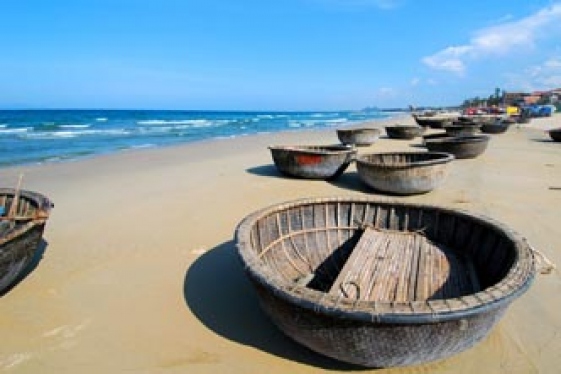
My Khe beach
The Mother Nature has endowed Danang dynamic city with the unique and stunning beauty of My Khe beach. My Khe Beach is recognized as one of the most beautiful beach of...
-
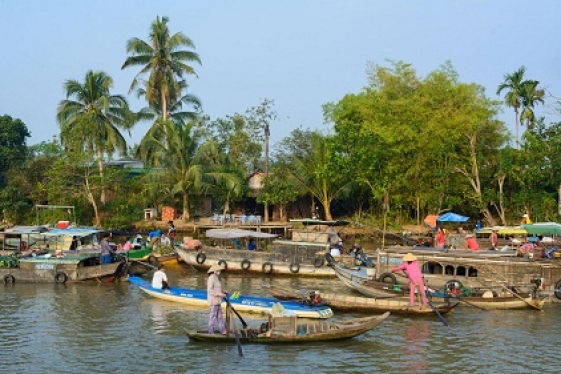
Phong Dien Floating Market
Phong Dien floating market is not only a palce for selling and exchanging products but also a popular attraction in Can Tho . Phong Dien floating market has many different...
-
.jpg)
Thong Nhat Park
Thong Nhat Park is located next to Hanoi Circus, about 15 minutes by bike to the Old Quarter.
-
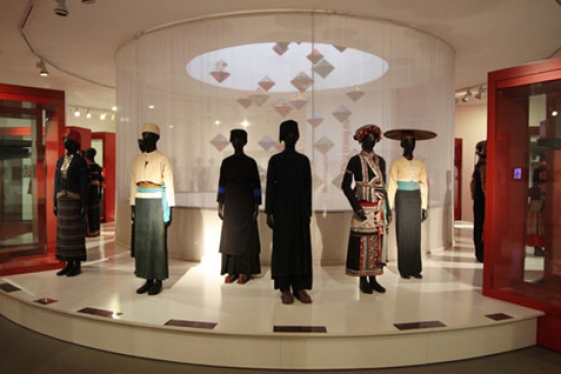
Vietnam Women's Museum
Despite being a patriarchal society, Viet Nam still reserves a special, if not sacred, place to honour Vietnamese women.
-
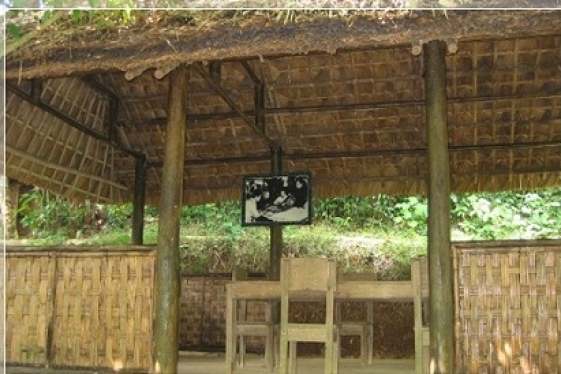
The historical relic - ATK
The most famous historical relic in Bac Kan is ATK, the complex of underground tunnels and rooms emboldened by a missile defense system in Cho Don (Bac Kan).
-
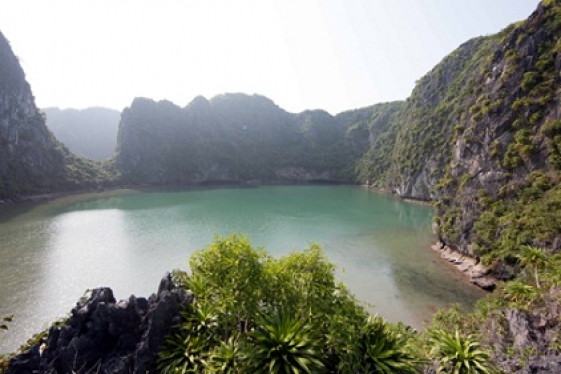
Dau Be Island
Located in the southeast of Ha Long Bay, Dau Be Island is 500 m to the east of Hang Trai Island, 28km from Bai Chay Cruise Port, in an archipelago located in the bay outside...
Destinations
Most popular tours
-
Glimpse South Viet Nam
Price from: 240 US$
-
Northern Classic Tour
Price from: 310 US$
-
Cuc Phuong National Park
Price from: 30 US$
-
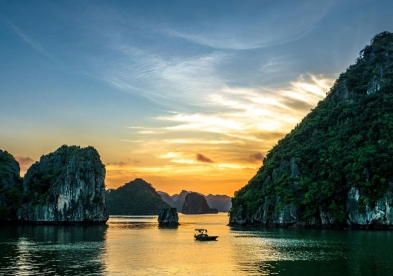
Halong Bay by Helicopter
Price from: Contact
Business info
Vietnam Local Guide
- Address: 18th Floor, VTC Online Tower, 18 Tam Trinh Str.,Hai Ba Trung Dist., Hanoi, Vietnam
- Email: info@vietnamguider.com
- Phone: (+84) 0904989890
- Hotline: (+84) 0904989890