Quan Lan Island
Quan Lan Island is located within the area of Bai Tu Long Bay, stretching on a total area of 11 square kilometers, from Van Don mountains to Giot Mountain.
The island lies on a very important marine gateway connecting Vietnam and other countries such as China, Japan, Thailand, and The Philippines. Spreading along the coast of the island are numerous white sand beaches and this is also the sea where fishermen get high quality seafood such as squids, butterfish, mackerel, prawn, sea cucumber, etc.
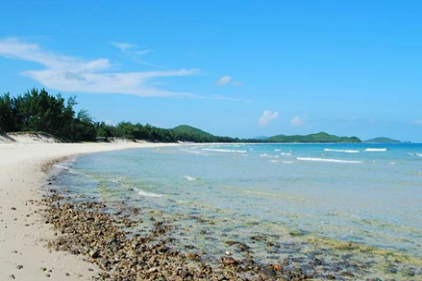
During the 11th Century, Quan Lan was a busy port for international trade between Vietnam and other countries. A lot of vestiges related to trading activities have been discovered here.
The outstanding tourist attraction of this island is Quan Lan Temple, which was built in the 18th Century with impressive architectural design with finely carved patterns, and is still preserved nearly 100% until now.
Swimming
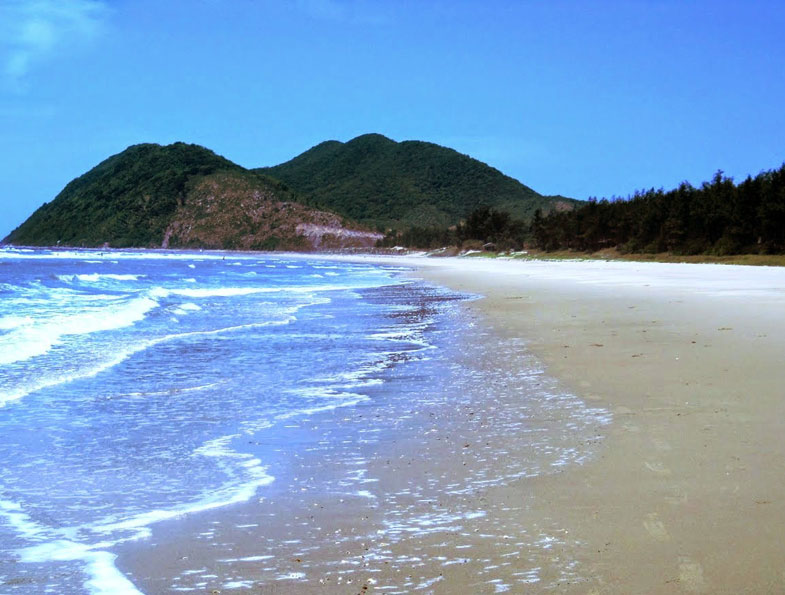
Quan Lan has 3 beaches: Quan Lan Beach, Son Hao Beach and Minh Chau Beach. All three beaches have white sand and are quite pristine compared with other beaches near Halong Bay. Quan Lan Beach is the one that is closest to the pier yet also the most beautiful of all three. Go further into the island another 4km you will reach Son Hao and another 10km is Minh Chau beach.
Stay
Due to its remoteness, accommodation facility is slowly emerging in Quan Lan and the majority remains small hostels or homestays. They do not need to be booked in advance as they are readily available year round. Price varies from $10-40/room/night.
How to get there
You can get to Quan Lan either from Halong Bay or from Cai Rong Pier (near Cua Ong). Ferries from Halong would take about 1.5 hours while speedboat from Cai Rong pier takes about 45 minutes.
How to get around
Quan Lan remains a less motorized island than any others in Halong Bay area. To get around you can either rent a bicycle or take tuktuk (available for booking from most hostels).
See more
-
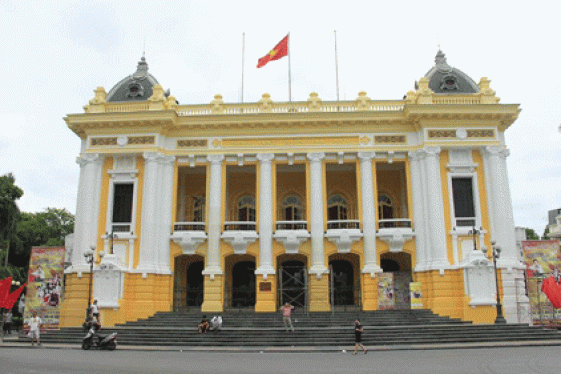
Hanoi Opera House
Undoubtedly, Hanoi Opera House is the most famous cultural and architectural monuments of Hanoi. Also, it is the biggest theater in Vietnam built in 1911. There have been so...
-
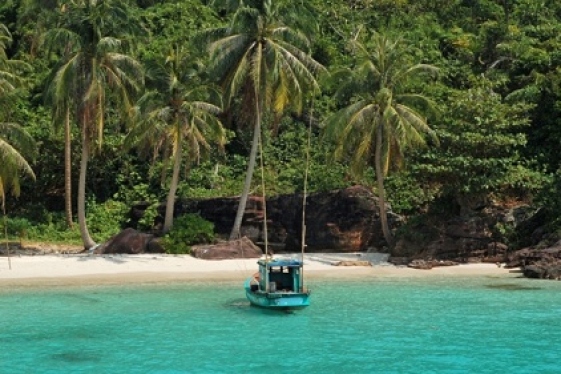
Ganh Dau - the wild beauty landscape
If Phu Quoc seems as a big fish that is waving its tail, Ganh Dau is considered as a fish’s mouth . Ganh Dau has a fresh air, smooth sand and peaceful scene and...
-
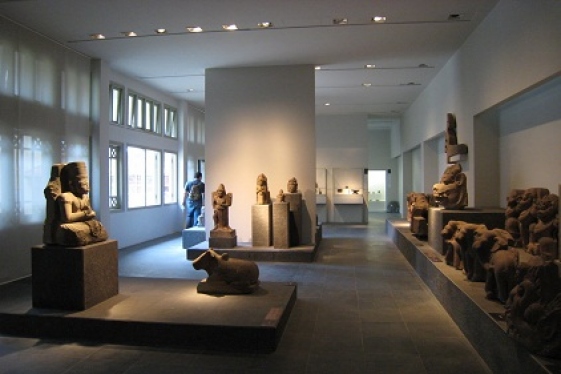
The Museum of Cham Sculpture in Da Nang
With their roots dating back as far as 192 AD, Vietnam's indigenous Cham people lived an Indian way of life in both culture and language. The Cham Museum in Danang is...
-
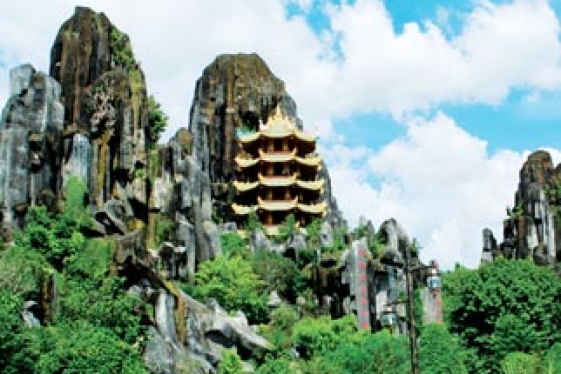
Marble Mountain
Marble Mountains, located a short distance from the City centre, are familiar to everyone who has been to Danang City and are a symbol of the area. The ambience of pagodas,...
-
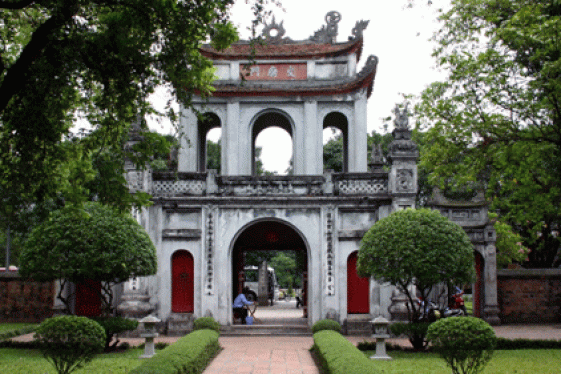
Temple of Literature
Known as the first Vietnam’s national university, Temple of Literature (Van Mieu Quoc Tu Giam) is the most famous traditional and cultural place in Hanoi in particular...
-
.jpg)
Hanoi Ancient House at 87 Ma May Street
Located within Hanoi Old Quarter, the ancient house at 87 Ma May street which was built at the late of the Twentieth century, is quite intact with typical architecture of...
-
.jpg)
Bach Thao Park
Bach Thao means “hundreds of plants” and like its name, the park is one of the few green areas in the increasingly industrialized city of Hanoi. Bach Thao Park or...
-
.jpg)
Yen Tu Mountain
Yen Tu Mountain is one of the highest peaks in the Dong Trieu Mountains in the north-eastern area of Vietnam, located within the area of Uong Bi Town, Quang Ninh Province....
-
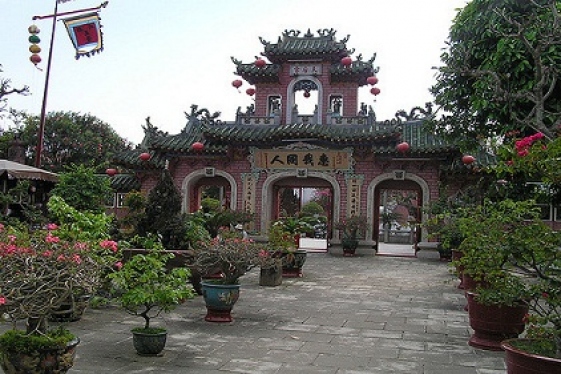
Chuc Thanh Pagoda
Chuc Thanh Pagoda was founded by Monk Minh Hai of Chine in 1454, making it the oldest Buddhist pagoda in Hoi An. Featuring a mix of Vietnamese and Chinese architectural...
-
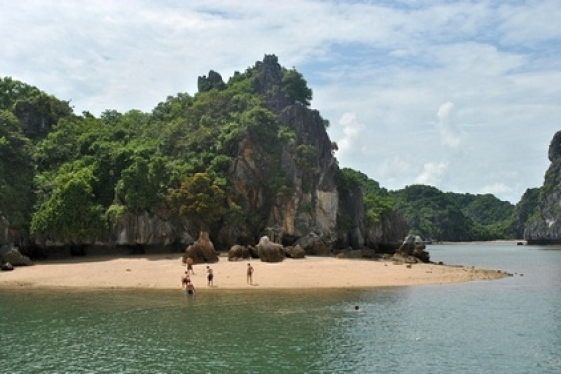
Lan Ha Bay
Located adjacent to Halong Bay, Lan Ha Bay is a peaceful bay in Cat Ba Islands system. Lan Ha Bay has about 400 large and small islands covered with green trees and...
Destinations
Most popular tours
-
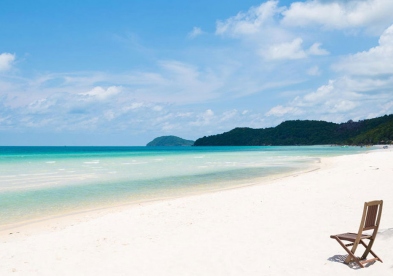
Vietnam beach vacation
Price from: 1.250 US$
-
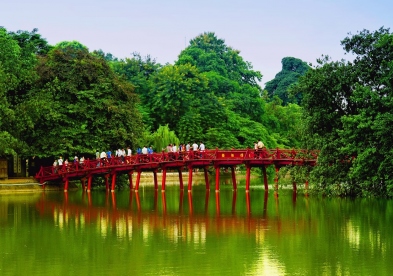
Luxuries of Vietnam
Price from: 2.020 US$
-

Cycling to Countryside of Hanoi
Price from: 26 US$
-

Ho Chi Minh City Stop Over
Price from: 230 US$
Business info
Vietnam Local Guide
- Address: 18th Floor, VTC Online Tower, 18 Tam Trinh Str.,Hai Ba Trung Dist., Hanoi, Vietnam
- Email: info@vietnamguider.com
- Phone: (+84) 0904989890
- Hotline: (+84) 0904989890