Bat Trang Pottery
Bat Trang, traditional porcelain and pottery village with history of seven centuries, is an interesting attraction in Hanoi that tourists should not ignore.
.jpg)
Located in an area rich in clay, the village has advantage of ingredients to create fine ceramics. Moreover, lying besides the Red river, between Thang Long and Pho Hien, two ancient trade centers in the north of Vietnam during 15th-17th century, Bat Trang’s ceramics were favorite products not only in domestic market, but also foreign ones thanks to Japan, Chinese and Western trading boats that passed by.
In the18th and 19th century, due to restricting foreign trade policy of Trinh, Nguyen dynasty, it was difficult for pottery products in Vietnam to be exported to foreign countries, and some famous pottery making villages like Bat Trang, or Chu Dau ( Hai Duong province) went through a hard time. Since 1986, thanks to economic reforms and development, more attention has been vested in the village and the world gets a chance to know more about Vietnamese porcelain through many high quality exported Bat Trang’s ceramic products.
.jpg)
Bat Trang ceramics are produced for daily household use (bow, cup, plates, pot, bottle…), worshipping, or decoration purposes. Nowadays, the pottery artists bring into ceramics many innovations in production techniques, and creativity in products’ features, hence many new products have been born, and even daily household items may have the beauty like decoration ones.
.jpg)
Visiting Bat Trang, tourists can take a walk or join a buffalo tour for sightseeing and shopping. Besides many ceramic stores along the road in the village, tourists should visit Bat Trang Porcelain and Pottery Market where they can directly make pottery products by themselves. Many youngsters and foreign tourists are interested in in this pottery- making experience, and spend a whole day in the market to make a gift for family or friends.
Location
Bat Trang belongs to Gia lam district of Hanoi. You can catch the bus 47 (Long Bien- Bat Trang) that stop just a few steps from Dong Xuan market with the end terminal in Bat Trang. The bus runs every 20 minutes. You can also ride a motorbike from the center of Hanoi to Bat Trang ( 20 minutes) – rent one or ask a Xe Om to take you there!
See more
-
.jpg)
Yen Tu Mountain
Yen Tu Mountain is one of the highest peaks in the Dong Trieu Mountains in the north-eastern area of Vietnam, located within the area of Uong Bi Town, Quang Ninh Province....
-
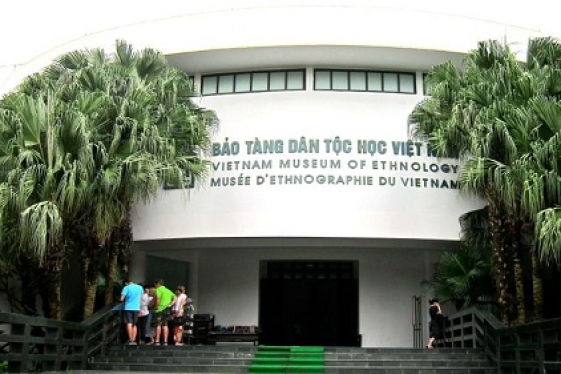
Vietnam Museum of Ethnology
This is the most recent yet probably the largest and undoubtedly the most interesting Museums in Hanoi and Vietnam.
-
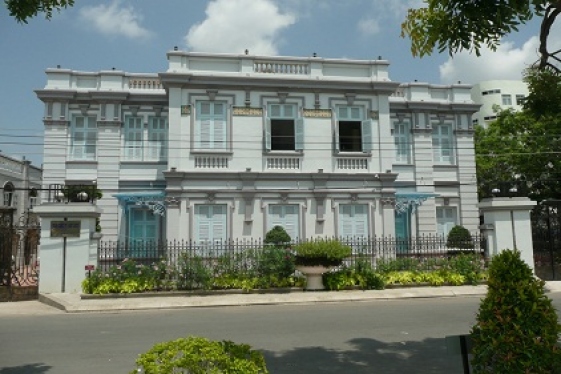
Visiting Prince of Bac Lieu House
If people have a chance to travel to Bac Lieu , they are difficult to ignore an attractive palace, Prince of Bac Lieu House. The house was designed by French engineer and...
-
.jpg)
Van Phuc Silk Village
Situated on the bank of Nhue River, about 10km southwest of Hanoi Old Quarter, Van Phuc silk village is renowned for its traditional weaving and premium quality silk products.
-
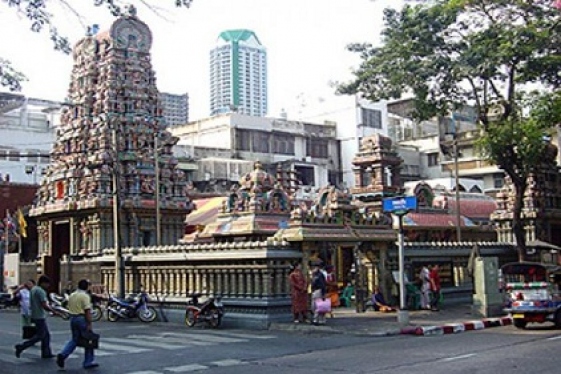
Mariamman Hindu Temple
Situated close to the Ben Thanh market, the Mariamman Hindu temple serves the small community of 100 or so Chinese and Vietnamese Tamil Hindus living in Ho Chi Minh City.
-
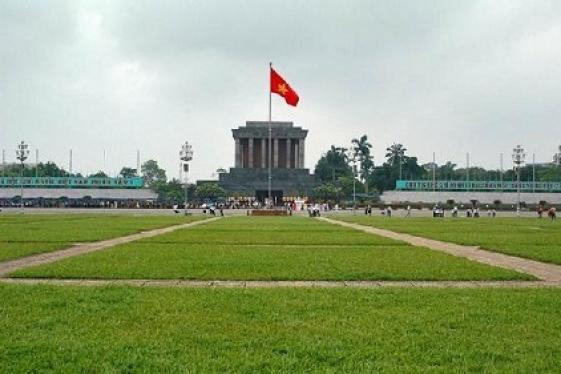
Ba Dinh Square
The square adjacent to the Ho Chi Minh complex is called Ba Dinh square, where many important national historical events in modern history took place.
-
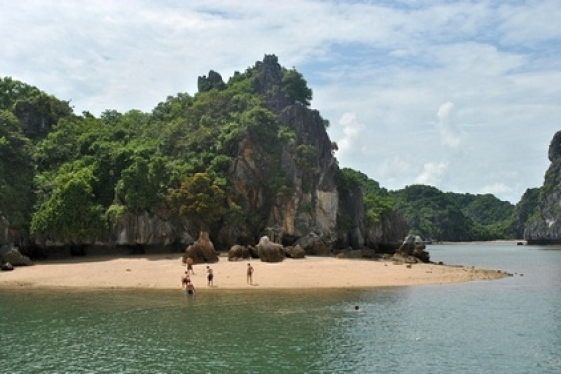
Lan Ha Bay
Located adjacent to Halong Bay, Lan Ha Bay is a peaceful bay in Cat Ba Islands system. Lan Ha Bay has about 400 large and small islands covered with green trees and...
-
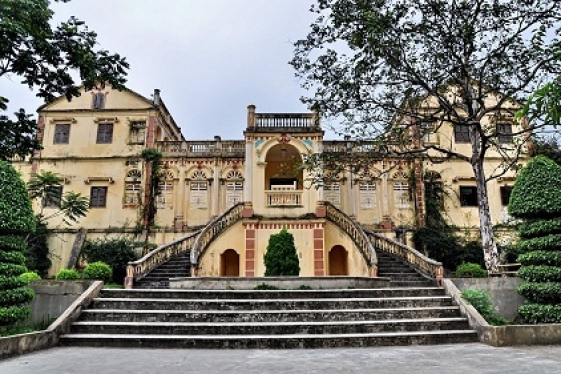
Hoang Yen Chao Castle
Hoang Yen Chao Castle is a unique architectural construction combining Eastern style and Western style. Built in the 20th century, it belongs to Na Hoi Tho Village, Bac Ha...
-
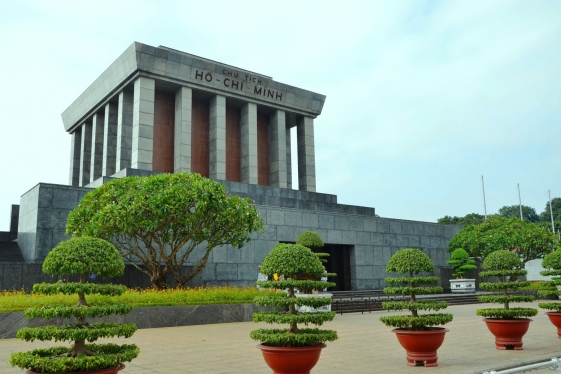
Ho Chi Minh Mausoleum
Ho Chi Minh Mausoleum is one of the most historical attractions in Hanoi , knowing for the final resting place and holding the embalmed remains of President Ho Chi Minh, the...
-

Ta Phin Village
Ta Phin village is famous as an attractive ecotourism of Lao Cai province and shoul not be missed when traveling to Sapa . Ta Phin village is home to...
Destinations
Most popular tours
-

Halong Bay Cruise 1 Day
Price from: 43 US$
-

Vietnam Heritage Trail
Price from: Contact
-

Mountain Whisper
Price from: 1.210 US$
-

Mai Chau hill tribe day tour
Price from: 33 US$
Business info
Vietnam Local Guide
- Address: 18th Floor, VTC Online Tower, 18 Tam Trinh Str.,Hai Ba Trung Dist., Hanoi, Vietnam
- Email: info@vietnamguider.com
- Phone: (+84) 0904989890
- Hotline: (+84) 0904989890