Yen Tu Mountain
Yen Tu Mountain is one of the highest peaks in the Dong Trieu Mountains in the north-eastern area of Vietnam, located within the area of Uong Bi Town, Quang Ninh Province. Besides being a famous natural landscape, Yen Tu preserves numerous historical relics and is also known as “The cradle of Buddhism in Vietnam”.
From the capital city of Hanoi, tourists may get Yen Tu by shuttle bus, car, or motorbike. If you are about to board a Halong cruise, an extra day to Yen Tu would be perfect for your trip to the coastal province.
.jpg)
On the way to explore Yen Tu, the first attraction to be encountered is Giai Oan Spring (Justifying Spring) with a majestic green stone bridge connecting two sides. This bridge is 10 meters long, which was built firmly in an antique architecture. Legends said that when King Tran Nhan Tong decided to resign from his throne to become a monk, his wives and concubines tried to persuade him changing his mind by suiciding into the spring. Mourning for them, the monk king built a temple nearby and named the spring “Giai Oan”.
.jpg)
Climbing for around 30-45 minutes, you’ll be able to reach a lush green courtyard, highlighted by vivid colour from different species of flowers of the a pagoda. The pagoda is surrounded by six enormous towers, amongst which the biggest one is to worship King Tran Nhan Tong.
Hoa Yen Pagoda is the biggest pagoda among the pagoda complex of Yen Tu Mountain, which is located on the height of 543 meters. Here, there is stood still a long row of Glyptostrobus trees, which are said to be planted during the time King Tran Nhan Tong at Yen Tu.
.jpg)
Climbing further to the height of 700m is Van Tieu Pagoda lying inside layers of white clouds, and Đồng Pagoda on an impressive height of 1,068m, which is made totally from copper. Both pagodas are dated back thousand years ago, and are very sacred to visit. Standing on the highest peak of Yen Tu, one might to able to watch a panorama of the extensive North-eastern Vietnam, Bach Dang River, and especially the natural wonder Halong Bay.
See more
-
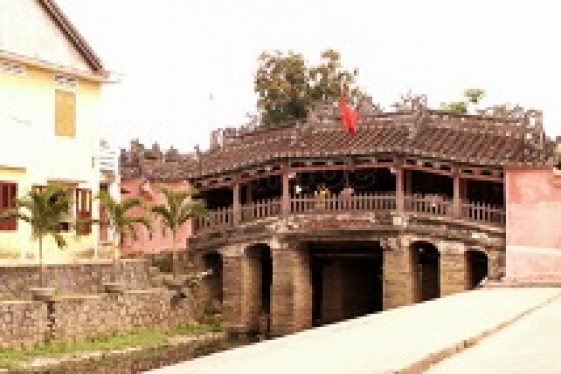
The Japanese covered bridge
The Japanese Covered Bridge or Cau Chua Pagoda (in Vietnamese “Cau Nhat Ban”) is one of the most famous tourist attractions in Hoi An, Vietnam.
-
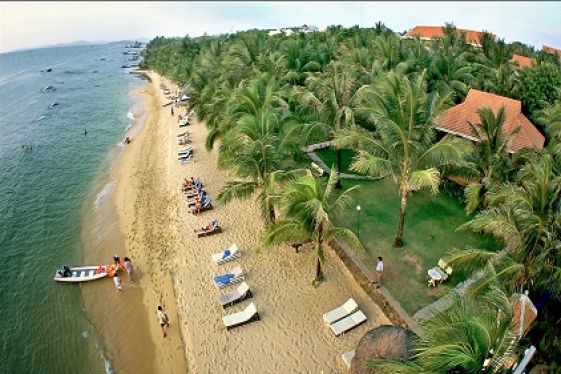
Back beach (Bai Sau)
Back beach in Vung Tau is also known as Thuy Van beach, has a charming landscape, large space, with a wide spread out and fine sand. So the major of tourists traveling to...
-
.jpg)
Ham Rong mountain
Being shaped like a dragon’s head dimly looming in the thin veil of the early morning, Ham Rong (Dragon Jaw) Mountain that is fine combination of man-made and natural...
-
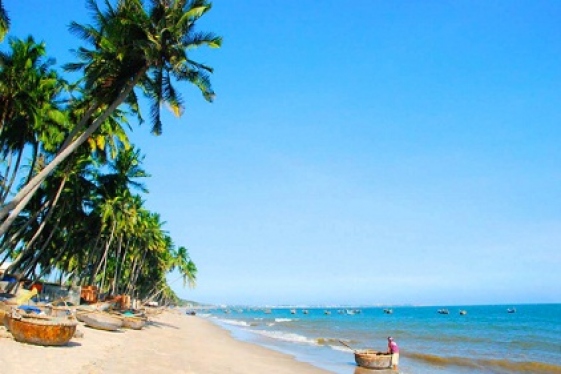
The beautiful Mui Ne beach
Mui Ne beach is one of the most famous attractions in Phan Thiet and it has a natural beauty with white sand, blue sea and green coconut tree line along the beach.
-
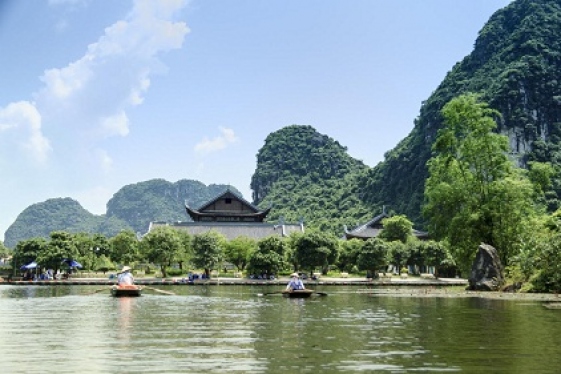
Trang An Eco - tourism Complex
Trang An eco-tourism complex is the comnination of green mountains and blue water, many caves limestone mountains, wild natures of forest and rivers and a large system...
-
.jpg)
Van Phuc Silk Village
Situated on the bank of Nhue River, about 10km southwest of Hanoi Old Quarter, Van Phuc silk village is renowned for its traditional weaving and premium quality silk products.
-
.jpg)
Ti Top Island
Located in the heart of Halong Bay, which is only 8 kilometers from the Southeast of Bai Chay Harbor, Ti Top Island is regarded as one of the most attractive site for both...
-
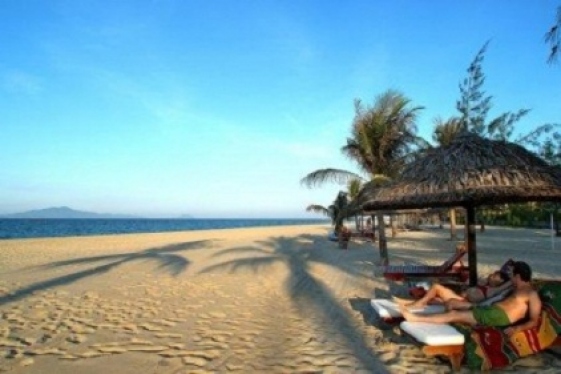
An Bang Beach
An Bang Beach is one of the few stretches of beach in Hoi An that’s relatively unspoiled by development, making it a popular option for soaking up the sun and enjoying...
-
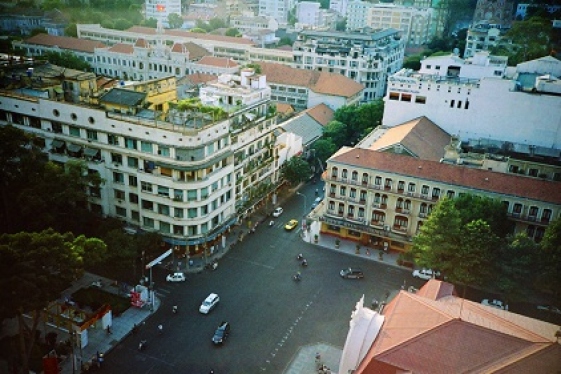
Dong Khoi Street in Ho Chi Minh
Home to many French colonial buildings, Dong Khoi Street has witnessed many changes in Ho Chi Minh City. During the French occupation, it was the centre of glamour and was...
-
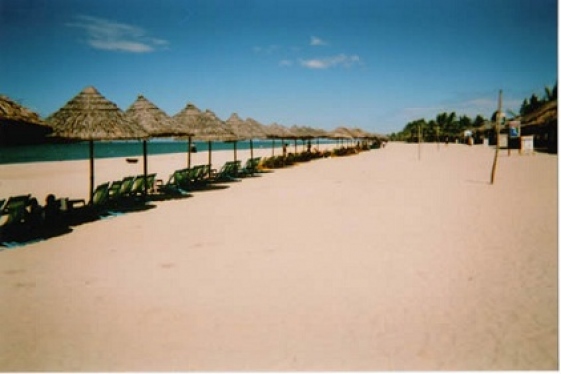
Cua Dai Beach in Hoi An
Cua Dai is one of just five Vietnamese UNESCO World Heritage Sites offering an unrivalled seaside escape from the ancient streets of Hoi An. This 3km stretch of fine white...
Destinations
Most popular tours
-

Northern Classic Tour
Price from: 310 US$
-
Hanoi City Tour Full Day
Price from: 25 US$
-
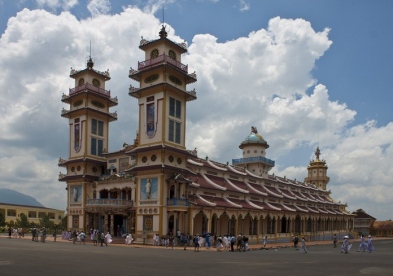
Cao Dai Temple and Cu Chi Tunnel
Price from: 25 US$
-

Treasures of Vietnam
Price from: 1.105 US$
Business info
Vietnam Local Guide
- Address: 18th Floor, VTC Online Tower, 18 Tam Trinh Str.,Hai Ba Trung Dist., Hanoi, Vietnam
- Email: info@vietnamguider.com
- Phone: (+84) 0904989890
- Hotline: (+84) 0904989890