Cat Cat Village
Cat Cat village is one of the most famous destination of not only domestic travellers but also foreign ones. It is located on on the Muong Hoa Valley and takes just a few minutes of walking distance from Sapa.
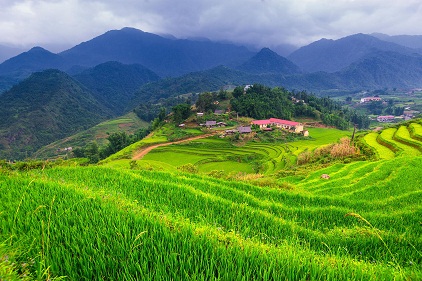
This is an age-old village of H'Mong ethnic group remaining unique customs and practices that are lots in other villages. Cat Cat formed from the mid 19th century, a division clustered minorities living along the mountainside, each house a few dozen meters apart. People cultivation and farming on hillsides. They grow rice, corn, potato, cassava by mode manually on the terraced field.
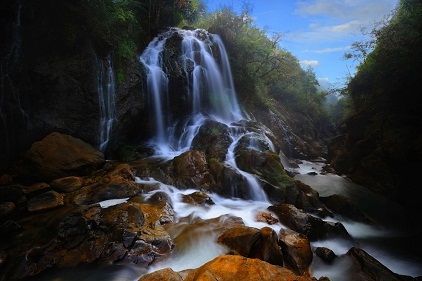
Visiting Cat Cat village, we can have a chance to visit a big waterfall on the stream and the old Hydro Electric Power Station built by the French here.
An interesting feature of Cat Cat village which made it different from other ethnic villages in Sapa is that many original unique customs still remain, typically “steal or pull a wife”. Travellers when taking trekking tours to the village are often told this strange customs: when a man falls in love with a girl, his friends and he will plan to “pull” the girl to his house suddenly and then hold her for three days. After that, if the girl agree to be his wife then they will get married, if not, they will drink a bowl of alcohol together and everything will back to normal as nothing happened.
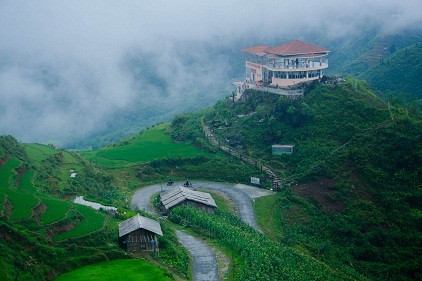
Besides, traditional houses of H'Mong people in Cat Cat village have three rooms with three doors and covered with po mu wood roof. In the house there are three columns that stand in round or square stones. The walls are made from sawn timber. The main door is always closed and only opens when people in the house organize important events. Altar, inlaid floor containing food, places for sleeping, kitchen and receiving guests are indispensable parts of the houses.
In addition, the craft traditions of H'mong peoples is very unique because H’Mong women use plants and leaves to dye these brocade fabrics. And then they roll a round and smooth section of wood covered with wax on fabrics to polish them, making their colors durable.
See more
-
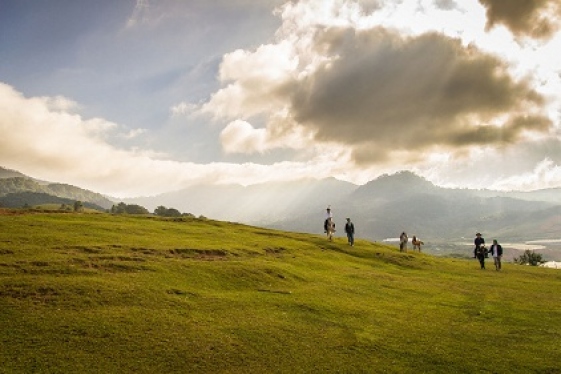
Lang Biang Plateau
Lang Biang is considered as a rooftop of Dalat. To reach the Lang Biang peak mountain, visitors have to walk through the pine forest then open up a majestic landscape....
-
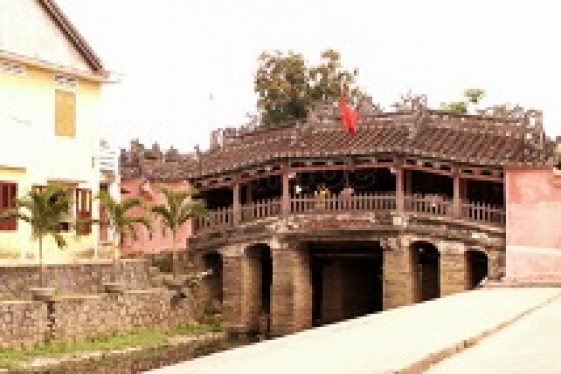
The Japanese covered bridge
The Japanese Covered Bridge or Cau Chua Pagoda (in Vietnamese “Cau Nhat Ban”) is one of the most famous tourist attractions in Hoi An, Vietnam.
-

Tra Que herb village
For tourists who come from big cities and who are curious about the Asian countryside, Tra Que village in Hoi An i s obviously a good choice. One of the great things about...
-
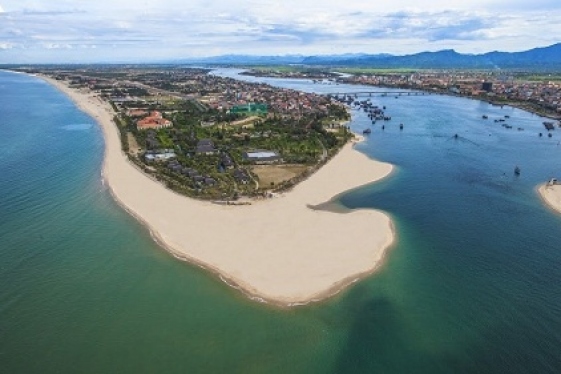
Nhat Le beach - The beautiful beach in Quang Binh
Nhat Le beach has still remains many wild features with white sand, blue sea that create the charming scenery. It is great to enjoy the landscape with clean water, gentle...
-
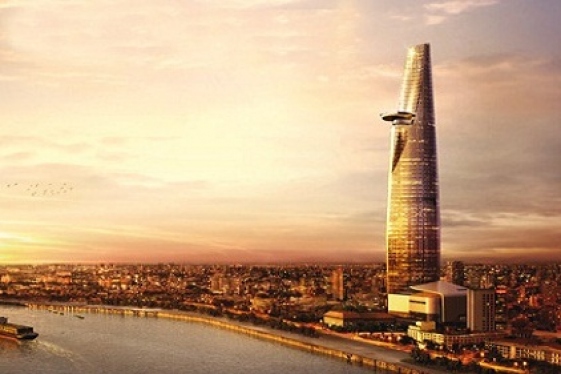
Bitexco Financial Tower in Ho Chi Minh
Ho Chi Minh City’s Bitexco Financial Tower stands 262 metres high at the centre of the city’s business district and offers visitors an unparalleled city view from...
-
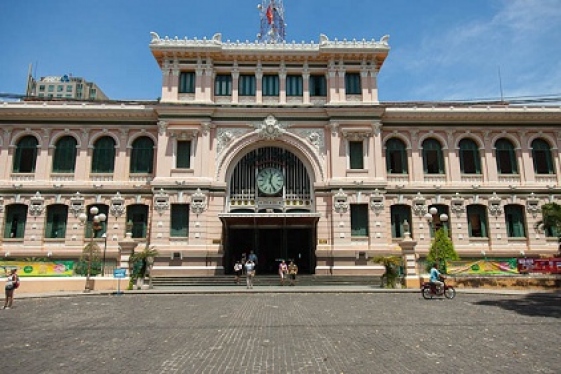
Central Post Office in Ho Chi Minh City
The Central Post Office in Ho Chi Minh is a beautifully preserved remnant of French colonial times and perhaps the grandest post office in all of Southeast Asia. Located next...
-
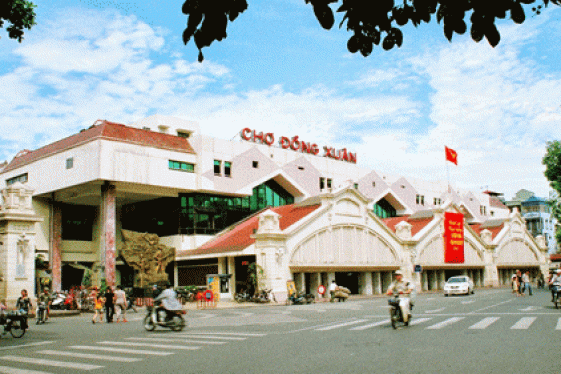
Dong Xuan Market
There are so many interesting things and stunning places in Hanoi that you can enjoy the chance to take a visit to, one of the must – see places in Hanoi that you...
-
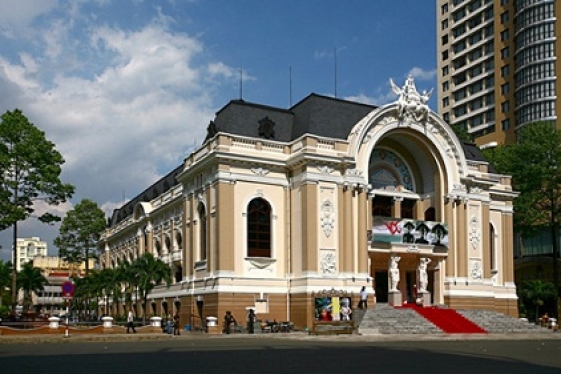
Saigon Opera House
The Saigon Opera House in Ho Chi Minh is an elegant colonial building at the intersection of Le Loi and Dong Khoi Street in District 1, very close to the famous Notre Dame...
-

Water Puppet Shows in Ho Chi Minh
Traditional Vietnamese Water Puppet Shows remain one of the cultural draws for most travellers to Ho Chi Minh City.
-
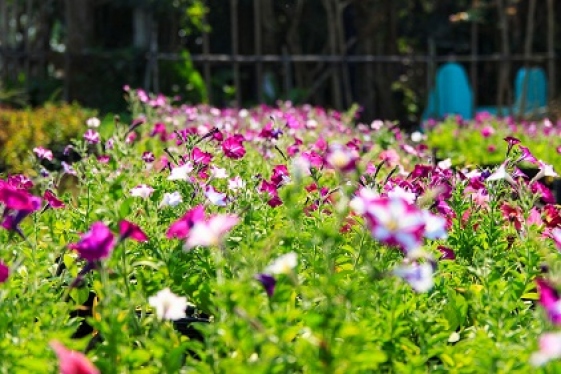
Sa Dec flower village
Sa Dec is home to many kind of flowers and one of flower centers of South Vietnam. The best time to visit Sa Dec village is in spring when all flowers are blooming and Sa Dec...
Destinations
Most popular tours
-
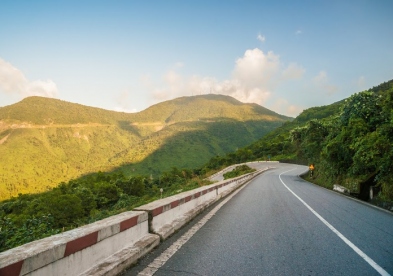
Central Vietnam Gateway
Price from: Contact
-

Ho Chi Minh City Stop Over
Price from: 230 US$
-
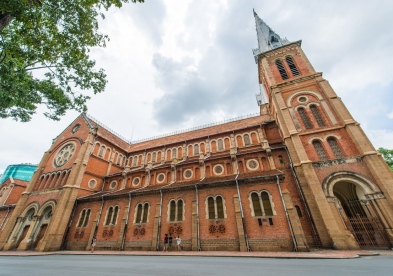
Ho Chi Minh City Tour Full Day
Price from: 35 US$
-
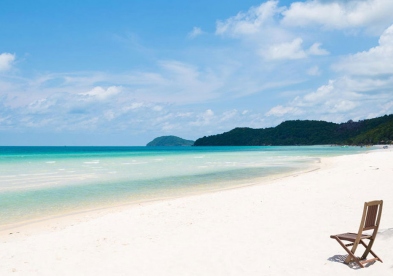
Vietnam beach vacation
Price from: 1.250 US$
Business info
Vietnam Local Guide
- Address: 18th Floor, VTC Online Tower, 18 Tam Trinh Str.,Hai Ba Trung Dist., Hanoi, Vietnam
- Email: info@vietnamguider.com
- Phone: (+84) 0904989890
- Hotline: (+84) 0904989890