Cao lau - the essence of Hoi An food
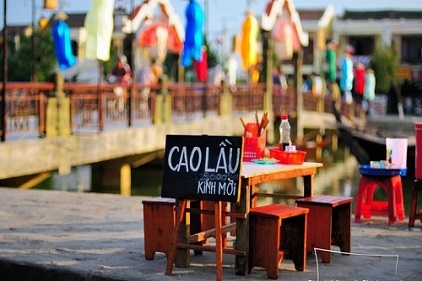
The reason why a specialty in Hoi An named Cao Lau is interesting: Hoi An was used to be an international ports and there were many merchants working in the town. They chose to have lunch or dinner on the high storey restaurant to look after their shops. The Vietnamese name: Cao Lầu means “High storey” in English. Cao Lau does not taste like any other Vietnamese dish because it was often used to serve foreign visitors and may be affected by their tastes. No one knows who invented this dish and, until now, the origin of Cao Lau is still a mystery.

Cao Lau comprises of the signature Cao Lầu noodles, slices of barbecue pork, pork crackling, bean sprouts, lettuce and herbs, it is then finished with a spoonful of stock. Cao lau noodles are carefully made from local fresh rice. The dish cannot be imitated outside of the town because the water used in the dish must be drawn from a well in the nearby Ba Le well which is dug by the Cham people, which is at the end of an alley opposite 35 Phan Chau Trinh Street.
The lye solution used to prepare the noodles comes from trees grown on Cham Island. This water is then mixed with ashes from certain trees, to give it its particular yellow tinge and slightly firm texture. The noodles will therefore be soft, enduring and flavored with special sweet-smelling additives.
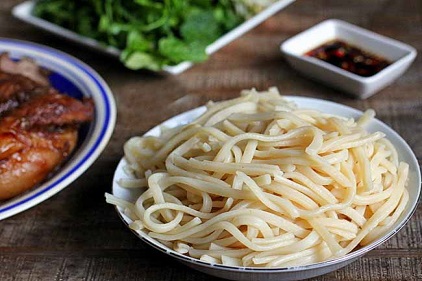
The meat used to prepare the Cao lau must be pork loin or trotter. The pork is fried in a marinade and then roasted for 1 hour. Next, fish sauce, soy sauce, garlic, sugar, salt & pepper, thin crispy croutons, vegetables, bean sprouts and spices are thrown in, and after adding the noodles and herbs the dish is done. The dry pancakes used must be thick and have a lot of sesame. Greasy coconut essence and bitter green cabbage are also indispensable
Depending on the cook, an array of fresh locally grown mixed greens will be piled upon or beside the pork — fragrant mint, basil, Vietnamese fish leaf, rice paddy herb, crisp lettuce, sometimes coriander from Tra Que village. Crunchy deep-fried squares of cao lau dough are sprinkled on top, while secreted beneath the noodles will be crispy bean sprouts.
The next will be to combine all the ingredients to ensure the chili jam and sweet pungent broth, created from the pork fat juices, that has been drizzled over the noodles, is thoroughly mixed through. After the noodles, it’s the broth and pork that truly sets one Cao Lau apart from the next.
See more
-
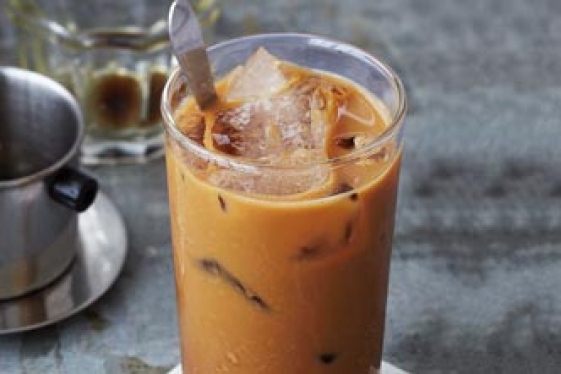
Ca Phe Sua Da
Ca phe sua da is said in Vietnam to be a bridge between those who enjoy drinking it together. Popular belief holds that it makes things easier to say, helps people to relax...
-
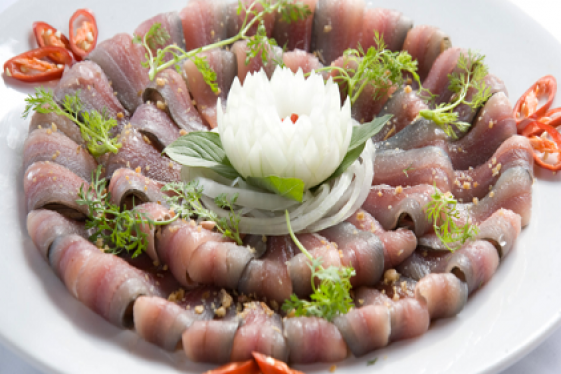
Goi ca trich (Herring salad)
Vung Tau is famous for Mai fish salad, Danang is famous for Nam O fish salad and Phu Quoc is famous for herring salad. It is a harmonious combination of the sour,...
-
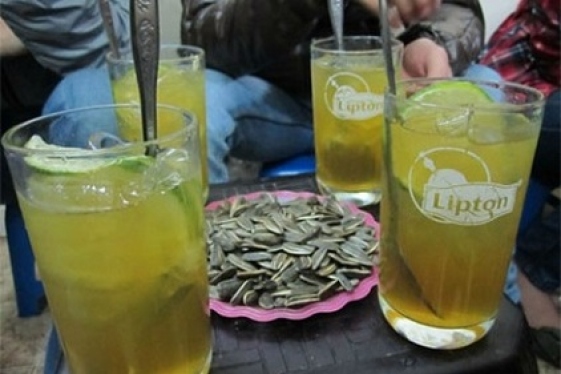
Top 10 Street Drinks in Hanoi
Hanoi is not only famous for street foods but also for cool and healthy street drinks.
-
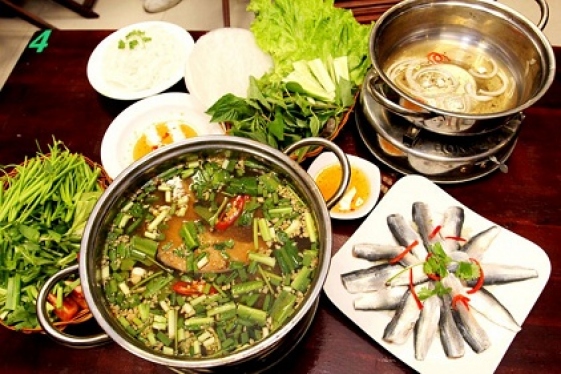
Lau ca duoi (Sawfish hot pot)
Sawfish hot pot has been considered as a famous specialty and represented for Vung Tau cuisine. Sawfish is very delicious and strange that makes tourist can’t forget if...
-
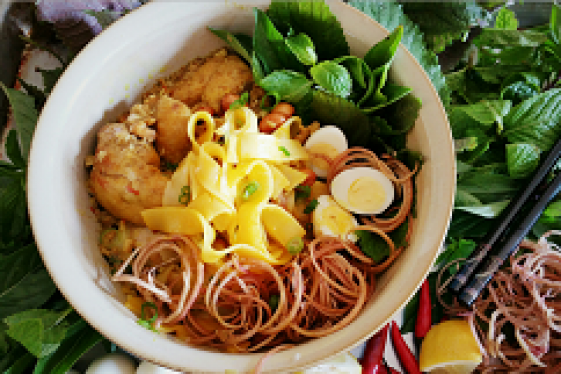
Quang noodle (My Quang)
Quang noodle (Mỳ Quảng) is one of the most famous specialties of Hoi An food. This dish’s ingredients include rice, vegetables and met but the way of cooking and...
-
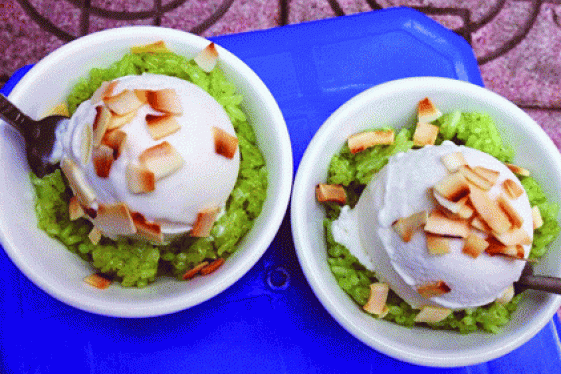
Trang Tien Ice - Cream
Trang Tien ice cream is well known for its special flavour, which a countless number of Hanoi generations have a passion for. Visitors who have an opportunity to visit Hanoi...
-
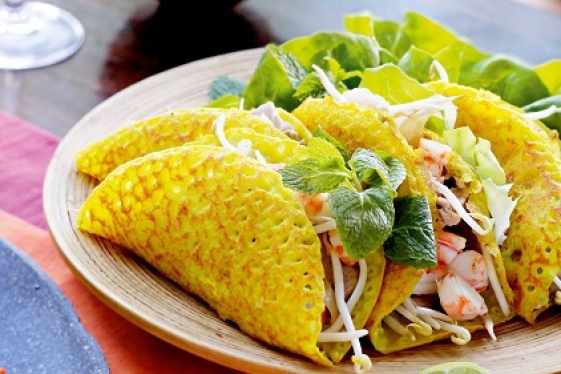
Enjoy Banh xeo Quang Hoa
Banh xeo Quang Hoa is one of the most famous specialties in Quang Binh . The vistiors should not miss to try this food when traveling to Quang Binh .
-
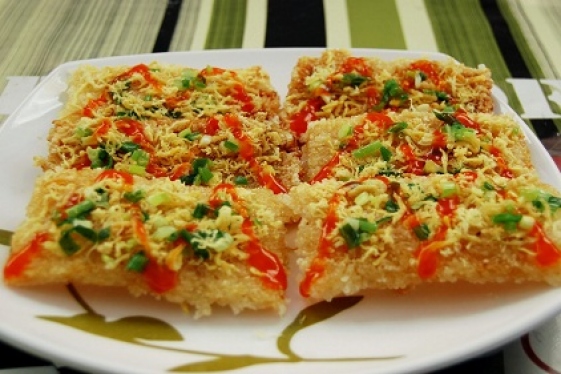
Com Chay (Burned Rice)
Com chay (burned rice) is a simple but very crispy and yummy dish of Ninh Binh province. It is one of the most famous food in Ninh Binh .
Destinations
Most popular tours
-
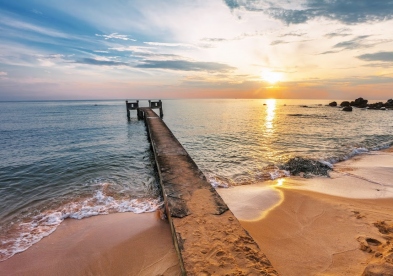
Central Coast Vietnam
Price from: 2.014 US$
-
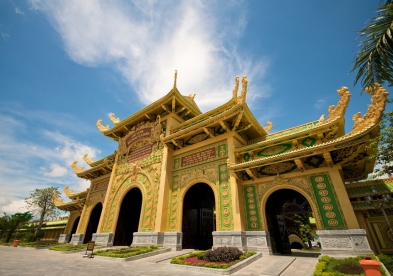
Best of Vietnam
Price from: 1.455 US$
-

Vietnam Family Holiday
Price from: 1.210 US$
-
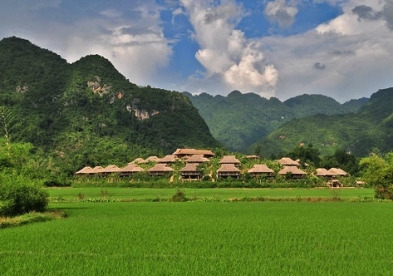
Mai Chau hill tribe day tour
Price from: 33 US$
Business info
Vietnam Local Guide
- Address: 18th Floor, VTC Online Tower, 18 Tam Trinh Str.,Hai Ba Trung Dist., Hanoi, Vietnam
- Email: info@vietnamguider.com
- Phone: (+84) 0904989890
- Hotline: (+84) 0904989890